Collective Stress, Collective Care: Why We Need MLK’s Message Today
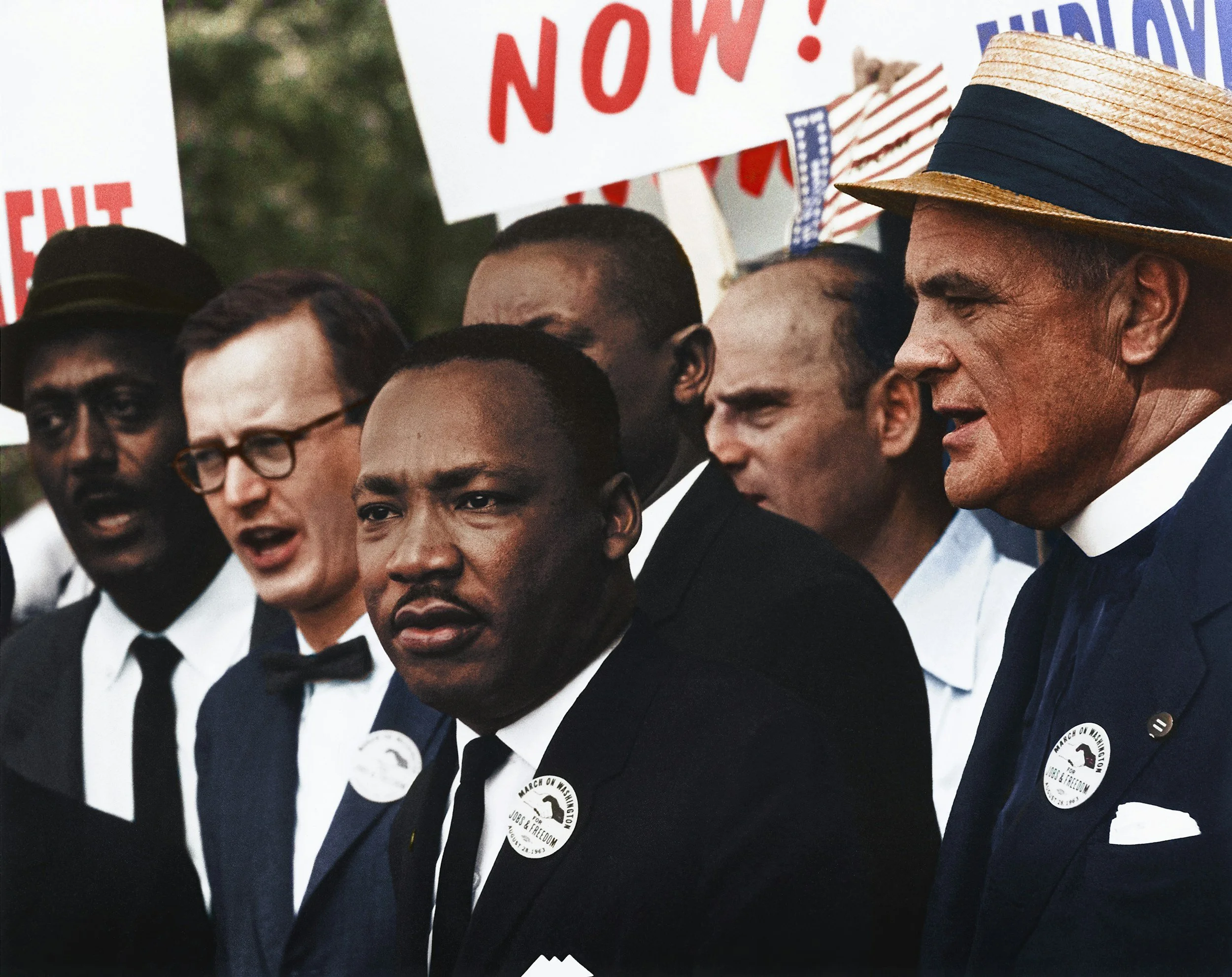
Dr. King recognized that caring for one another was not optional — it was essential.
Many people are carrying a quiet but persistent sense of exhaustion right now. It shows up as irritability, emotional numbness, difficulty focusing, or a constant feeling of being “on edge.” Even those who are functioning well may feel more depleted than they expect.
This isn’t a personal failure — it’s a reflection of collective stress.
When stress becomes widespread and chronic, it doesn’t stay contained within individual bodies. It lives in families, workplaces, communities, and systems. It shapes how we relate to one another, how safe we feel, and how much capacity we have to show up with patience or empathy.
Dr. Martin Luther King Jr. understood this deeply. While he is often remembered for his speeches on justice and equality, his work was also rooted in a profound understanding of human dignity, suffering, and interconnectedness. His message reminds us that healing is not only an individual process — it is a collective one.
Understanding Collective Stress
Collective stress occurs when large groups of people are exposed to ongoing strain, uncertainty, or threat over time. Unlike acute stress, which has a clear beginning and end, collective stress is cumulative. It builds slowly and often invisibly.
Today, many factors contribute to this shared strain: social division, economic pressure, chronic burnout, exposure to violence or injustice, and the lingering effects of years of instability. Even when individuals are not directly impacted by every stressor, living within a stressed system takes a toll on the nervous system.
Collective stress can lead to:
Heightened anxiety and hypervigilance
Emotional withdrawal or numbness
Increased conflict and misunderstanding
A sense of hopelessness or disconnection
Difficulty trusting others or institutions
When stress becomes widespread, people often turn inward for survival. This can look like self-protection, avoidance, or emotional shutdown. While these responses are understandable, they can also deepen isolation — creating a cycle where collective stress leads to collective disconnection.
Dr. King’s message challenges this pattern.
MLK’s Vision of Interconnectedness
At the core of Dr. King’s philosophy was the belief that we are deeply interconnected. He spoke often about the “beloved community” — a vision of society rooted in justice, mutual care, and shared responsibility for one another’s well-being.
This idea was not naïve or idealistic. It was grounded in the reality that harm does not exist in isolation. Injustice, violence, and neglect ripple outward, affecting everyone — even those who believe they are untouched by it.
From a mental health perspective, this aligns with what we know about trauma and healing. Individual well-being cannot be fully separated from the health of the systems and communities we live within. When communities are fractured, individuals suffer. When individuals are overwhelmed, communities weaken.
Collective Care as a Response to Collective Stress
If stress is collective, then care must be collective too.
Collective care does not mean ignoring individual needs or boundaries. Instead, it means recognizing that healing happens in relationship. It asks us to move away from the belief that we must handle everything alone.
Collective care can look like:
Creating spaces where people feel heard, respected, and valued
Practicing empathy even when perspectives differ
Supporting policies, practices, and systems that reduce harm and promote dignity
Acknowledging suffering rather than minimizing it
Offering support before someone reaches a breaking point
In therapy, we often see how much relief comes when someone realizes they don’t have to justify their pain or carry it in isolation. The same is true at a societal level. When people feel seen and supported, nervous systems settle. Trust becomes possible again.
Dr. King’s commitment to nonviolence was not only a political stance — it was a trauma-informed one. Nonviolence requires regulation, intention, and care, especially under pressure. It acknowledges that responding to harm with further harm only perpetuates cycles of fear and suffering.
Why This Message Matters Now
In times of collective stress, it can be tempting to disengage, harden, or focus only on personal survival. Dr. King’s message asks something more difficult — and more healing.
He reminds us that choosing compassion in strained times is not weakness. It is courage. Choosing connection when fear encourages separation is an act of resistance against dehumanization.
From a mental health lens, this matters deeply. Chronic stress narrows our capacity to care — for ourselves and for others. Intentional collective care helps restore that capacity. It creates conditions where regulation, empathy, and resilience can grow.
We do not honor Dr. King’s legacy by remembering his words once a year. We honor it by practicing the values he lived: dignity, responsibility to one another, and a commitment to reducing suffering — not just individually, but collectively.
A Gentle Invitation
You don’t need to change the world on your own to participate in collective care. Small, consistent acts matter. Listening without rushing to fix. Checking in on others. Setting boundaries that protect your capacity while still staying connected. Seeking support when you’re overwhelmed rather than pushing through alone.
Collective healing begins with recognizing that our struggles are not isolated — and neither is our capacity for care.
Dr. Martin Luther King Jr.’s message remains vital because it speaks to a truth we still need to hear: we belong to one another. In times of collective stress, remembering this may be one of the most powerful forms of care we can offer.
If the weight of stress, overwhelm, or life’s challenges feels heavy, please reach out. We’re here.